




Physics Games
Control momentum, balance, collisions, and movement in browser games with physics-driven gameplay.
Played 435 times
A merge ladder is a solved problem until the floor starts tipping. Drop position becomes a currency, and the beam spends it faster than you earn it.
Looking for more options after Counterweight? Visit All Games to browse the full library, or use the contact page if you want to report a bug or ask for support.
Balance, momentum and consequences: physics games where the movement itself is the puzzle.
Control momentum, balance, collisions, and movement in browser games with physics-driven gameplay.
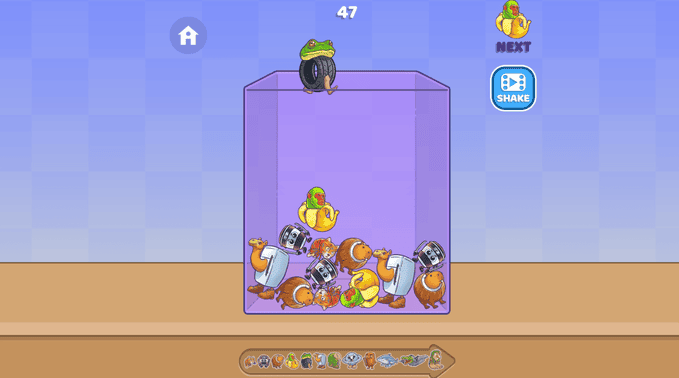
Two of the same body merge into the next size up. The catch is that the beam underneath is balanced on a single pin, and everything you add leans.
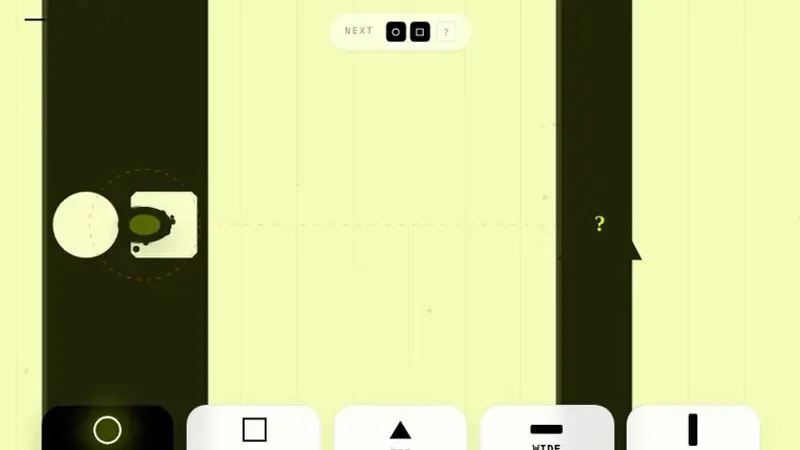
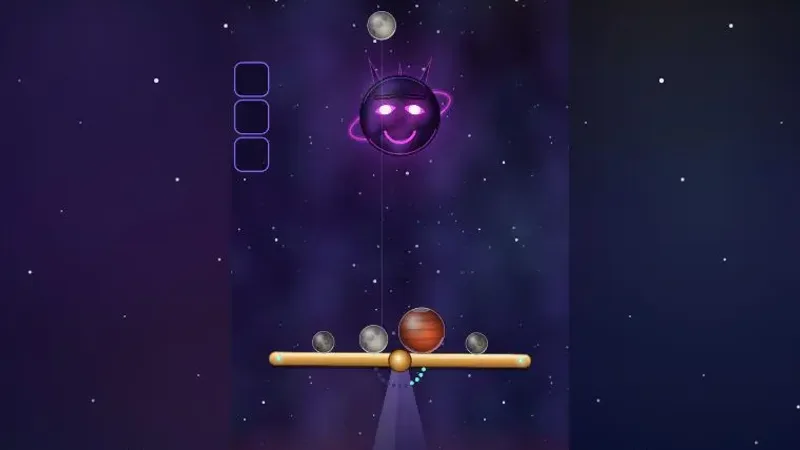
Drop a body on the beam and it stays where it lands. Two matching bodies meet, they fuse, and a heavier one takes their place — so the pile grows on one side and the plank starts to lean. Everything the genre normally lets you ignore becomes the problem: the horizontal position of a drop is the whole decision, because a merge in the middle of the beam costs far less tilt than the same merge out at the end.
The bodies get heavier as they get larger, which means the safest-looking move — building a tall stack quickly — is the one that ends the run. Three lost bodies and it is over.
Nothing here needs a second control. You pick a spot and you let go, and the game reads your intent from where the body lands. That makes it a good fit for a phone and a bad fit for anyone hoping for a slow, considered puzzle: the beam moves under you the moment the body settles, so a run is a handful of drops and then a restart.
The cosmic dressing is cosmetic — planets and orbs in a starfield — but it sets the scale nicely. A beam that holds a handful of worlds reads as more precarious than one holding fruit, and the tension is entirely in that visual.
Not on a bad merge, usually, on the merge after it. A beam already leaning left has very little appetite for another heavy body on that side, and the merge that produces the heavy body is the one you have to think about two moves early. Keeping one side light enough to act as a counterweight is the habit the pin is asking for, and it is also the reason a modest merge in the right place beats a big one in the wrong one.
Two bodies of the same size fuse into the next size up when they meet. The beam they sit on is pinned in the middle, so weight on one half tilts it, and the heavier the merged body the harder the tilt.
Because the merge keeps its position. A fusion in the centre adds weight almost straight down onto the pin; the same fusion out at the end of the beam torques the whole plank and can take everything with it.
The attempt ends on the third body you lose. Bodies go over the edge when the beam tips, so a loss is usually the bill for a lean you allowed two drops earlier.
Yes. The control is a single drop - pick the spot, release - which is why it plays comfortably on a phone and why the runs are deliberately short.
No account, no download and no install; it runs inside the browser frame and starts on the first tap.
Combine things carefully, or watch the whole arrangement go.
Smash Karts is a multiplayer kart battle game where you drive, collect weapon boxes, and fight other players in short arena matches. Fast movement, s…
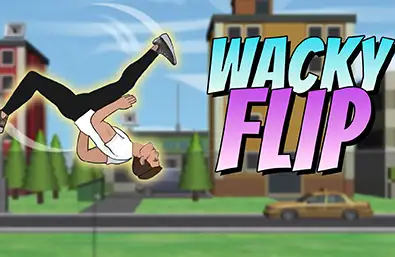
Wacky Flip is a ragdoll stunt game where you launch off platforms, spin through the air, and try to land cleanly. Balance power, rotation, and timing…
Golf Hit is a distance-based golf game where one well-timed swing can send the ball bouncing across wild courses and into the sky. Upgrade power, spe…
Speed Stars is a rhythm-based sprint game where clean timing, balanced stride control, and smart pacing decide every race. Build speed, hold your for…
Drift Hunters is a 3D drift driving game with tunable cars, long sliding corners, and score-based drifting across multiple tracks. Build a garage, tu…